Ilford House Clearance

Ilford House Clearance provides a practical house clearance service in Ilford for homes that need rooms, lofts, garages or entire properties cleared in an orderly way. The work can include single items, mixed household contents and bulky furniture, with attention to separating what is removed, what is retained and what may be suitable for reuse or recycling. If you need a straightforward clearance arranged around a move, probate matter, renovation or a long-overdue tidy-up, our service is built to handle the job with care and clear communication.
The main aim is to make the process manageable without turning it into a disruption. We can clear domestic spaces containing furniture, appliances, general household items and accumulated belongings, then leave the cleared areas ready for their next use. In many cases, the customer wants a calm, reliable way to deal with items that have built up over time. That is the kind of clearance we focus on: practical, organised and suited to the property rather than a one-size-fits-all approach.
To get started, think about the rooms that need attention and whether there are any items that must be left in place. A short note describing the type of property, the access and the main items to clear is usually enough for an initial discussion. If you already know that you need help with furniture, loft contents or a fuller property clearance, send the details and ask for a quotation.
House clearance work for different property needs
House clearance is rarely the same from one property to the next. Some customers want a full clearance after a move, while others only need selected rooms emptied, such as a spare bedroom, basement or storage area. Our service is organised so that the work can be scaled to the space in question. We can clear individual bulky items, mixed domestic contents or a whole house depending on what needs to go and what should remain.
In practice, this means we can deal with households where the contents are broadly tidy as well as homes where items have been left in layers over many years. The important point is that the clearance is handled with a sensible plan. We look at the type of items involved, how they are grouped and what must be moved carefully through the property. If you want a focused clearance rather than a general clear-out, it helps to describe the rooms and the main contents at the outset.
Common house clearance situations
Homeowners and tenants often need different levels of help, and the service can be shaped accordingly. A few common situations include moving out of a property, preparing a home for decorating, clearing inherited items or emptying rooms that have become difficult to use. Where furniture is still in good condition, there may also be value in sorting items so that the right ones can be separated from general waste. That saves time later and keeps the work more orderly.
Furniture clearance, disposal and heavier items
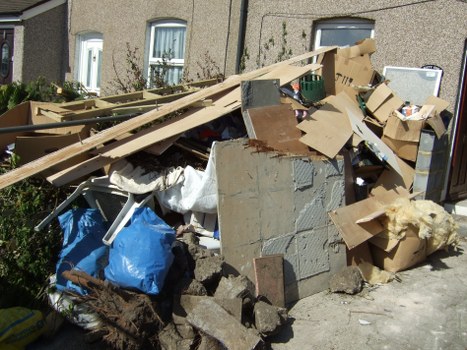
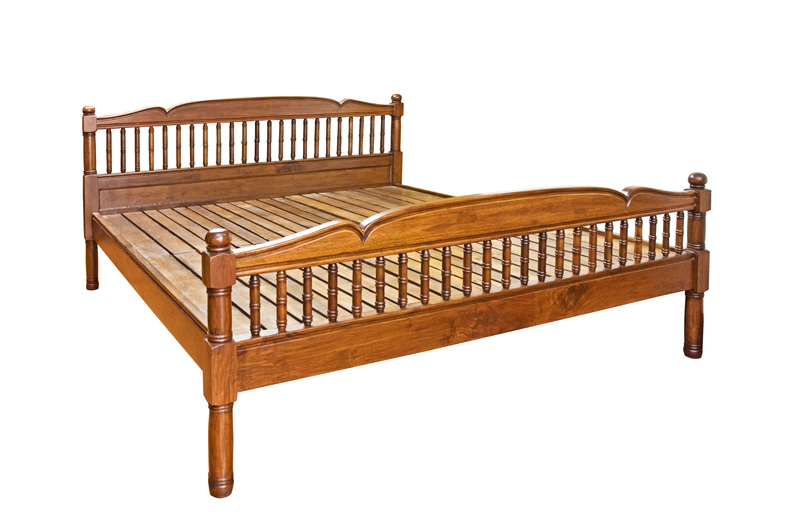
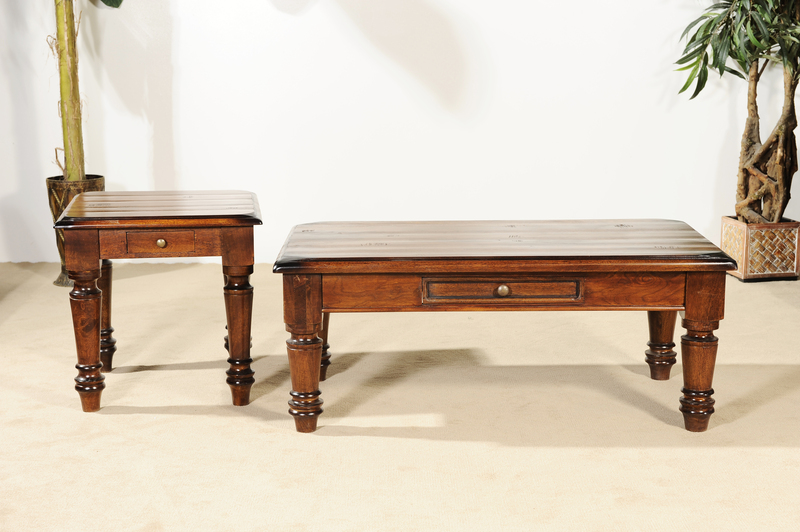
Furniture often forms the biggest part of a house clearance, and it is usually the part that requires the most planning. Sofas, wardrobes, beds, tables and cabinets can be awkward to move safely, especially where stairways are narrow or rooms are full. We can remove individual pieces or larger sets of furniture as part of a wider clearance, with the aim of leaving the property easier to use and less cluttered. Careful handling matters, particularly in homes with tight corners or older fittings.
Our furniture clearance work can sit alongside furniture disposal where items are no longer needed. Not every piece will be suitable for the same route, so it helps to sort furniture according to condition and usefulness. A strong service is not just about taking things away; it is also about deciding what belongs in each stream. That may include reusable furniture, items for recycling and objects that need to be disposed of properly. Clear separation helps the job move smoothly.
If you have several large items, it is sensible to note them together rather than mention them one by one in separate messages. That makes it easier to judge the scale of the work and the equipment likely to be needed. You do not need to prepare a complicated inventory, but it does help to mention any pieces that are especially heavy, fixed in place or awkward to dismantle. This is useful when asking for a quotation and keeps expectations realistic.
Loft, garage and storage space clearances
Some of the most time-consuming house clearance jobs are not the main rooms at all, but the places where items have been stored and forgotten. Lofts, garages, cupboards, sheds and under-stairs spaces can collect boxed belongings, broken furniture, old tools, seasonal decorations and mixed household items. We can clear these areas as standalone jobs or as part of a broader house clearance, depending on how much needs to be removed. The work is often about access as much as volume.
Garage clearance and loft clearance can each present different practical issues. Garages may contain heavier items, workshop materials or stacks of stored goods that need sorting before removal. Lofts may involve limited headroom, awkward ladders or items that have been stored for years. For this reason, the method matters as much as the amount cleared. A sensible approach is to protect the structure of the property, move items carefully and avoid creating extra disruption while the space is emptied.
When a storage area needs attention
If you are clearing storage space as part of a sale, a refurbishment or a family change, it helps to identify anything you definitely want to keep before the work begins. Then the rest can be handled more efficiently. In some cases, one section of a garage or loft may still be in use, so the service needs to stay selective rather than sweeping. That flexibility is often what customers need most from a clearance provider.
Flat clearance and smaller domestic properties
Flat clearance calls for a slightly different way of working because the access may be tighter and the property layout more compact. Communal hallways, stairwells, lifts and parking arrangements can all affect how items are removed. We can clear flats that need a full emptying or just a partial clear-out of furniture and household contents. The emphasis remains on doing the work tidily and with attention to the building around the property, not only the items inside it.
Smaller properties often hold a surprising amount of furniture and domestic goods, especially if they have been occupied for a long time. A flat may need a careful combination of furniture clearance, general household removal and sorting of lighter items so that the rooms can be handed over or reused. Where access is awkward, planning the order of removal is important. It is often best to start with the bulkiest pieces, then work through smaller contents once space has been created.
Before asking for a quotation, it is useful to think about the practical side of access: floor level, whether there is a lift, and whether parking is straightforward. That is not paperwork for its own sake; it simply gives a better sense of the work involved. If you want the clearance arranged around move-out dates or a property handover, make that timing clear when you contact us. It helps the service match the situation more closely.
Waste removal alongside house clearance
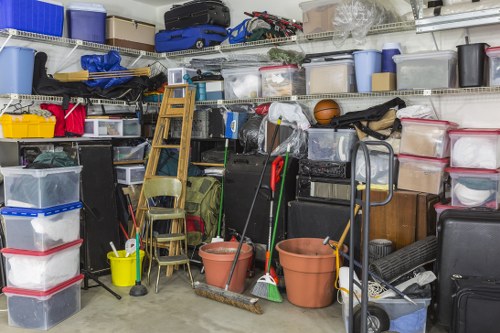
Not every job is a full property clearance. Sometimes what is needed is a combination of house clearance and general waste removal, especially when a property contains a mixture of household items, packaging, broken pieces and unwanted clutter. We can deal with that type of mixed load in a structured way, so the clearance does not feel piecemeal. The point is to remove what is no longer needed while keeping the work practical and proportionate to the space.
Waste removal becomes especially useful when the clearance includes items that are not furniture but still take up a lot of room. Old bags, household debris, dismantled shelving, tired storage boxes and similar materials can be cleared as part of the same overall task. This can be helpful where the aim is to restore order to a room rather than empty it for a sale. In those cases, a balanced clearance is often better than over-complicating the job with too many separate arrangements.
To keep the process efficient, it helps to group the different types of items in your mind before making contact. For example, think about what is furniture, what is general waste and what should stay. You do not need to sort everything into perfect categories first, but a simple description of the mix is enough to begin with. That makes quotations clearer and reduces the chance of misunderstandings about what the clearance needs to cover.
What shapes a quotation for house clearance
A quotation for house clearance is usually shaped by a few practical factors rather than by a fixed list price. The main influences are the amount of material to remove, the type of items involved, how easy it is to access the property and whether the work covers one room or the whole house. Additional details such as stairs, tight entrances and parking distance can also affect how the job is assessed. That is why a clear description is more useful than a vague request.
When asking for a quote, it is often enough to mention the rooms, the general item mix and any access issues that may matter. If there are items that require special handling, such as heavy furniture or contents stored in a loft, say so early. This does not need to be a long message. Two or three sentences describing the property can be enough to begin. If you prefer, you can also ask about our pricing and quotes information to understand how the process is handled.
- State the type of property and the number of rooms involved.
- List any bulky furniture, stored items or mixed waste.
- Explain whether access involves stairs, lifts, narrow paths or limited parking.
- Say if the clearance must happen before a move-out, sale or renovation.
That kind of information helps the quotation reflect the work properly. It also means the clearance can be planned with fewer surprises on the day. A good quote should feel understandable, not mysterious, and it should match the scale of the actual job rather than a broad assumption.
Domestic clearances with sorting and reuse in mind
Some house clearances involve more than simply removing items from a room. They require thoughtful sorting so that furniture, household goods and general waste are handled appropriately. Where items are still usable, there may be a good reason to separate them from material that is damaged or no longer fit for use. This keeps the work more orderly and gives the customer a clearer result. It also helps the clearance feel less like a rushed emptying exercise and more like a considered property service.
We can apply that approach to a whole home or to specific rooms where the contents are mixed. A cupboard, guest room or loft may contain a combination of keepsakes, reusable household pieces and items that are simply no longer wanted. The service needs to be careful enough to respect those differences without becoming slow or overcomplicated. That balance is often what makes the result useful. If you already know which items matter, it is best to identify them before the clearance begins.
Choosing the right scope for the job
Customers sometimes start by asking for a single room and then realise that nearby spaces should be done at the same time. That is completely normal. The best scope is the one that matches the property and avoids repeated disruption. If the work is likely to spread from one area into another, mention that when you request a quotation so the plan can reflect the real extent of the clearance.
Recycling and sustainability within a clearance

Recycling and sustainability matter in house clearance because many domestic items do not belong in the same place. Furniture, metal pieces, textiles, cardboard, electrical items and general waste may each need to be handled differently. We can sort the clearance with those differences in mind, so the work is not treated as a single undifferentiated load. That approach is more responsible and more practical, especially when the property contains a broad mix of contents.
Using a thoughtful method also helps reduce unnecessary disposal of items that still have value or can be processed appropriately. A good clearance service should pay attention to the type of material being removed and avoid treating reusable or recyclable items the same way as general waste. If you want to know more about our broader approach, you may find our recycling and sustainability page useful. The key point is that the clearance is handled with care rather than wastefulness.
For the customer, this often translates into a more reassuring experience because the job feels organised from the outset. You do not need to make complex environmental decisions yourself; you simply need to say what is there and what needs removing. From there, the clearance can be managed with sensible sorting and a practical approach that suits the contents of the home. That keeps the process straightforward without losing sight of responsible handling.
Preparing access and timing for the clearance
A little preparation can make the house clearance smoother, but it does not need to become a major project. If there are items that must stay, it is useful to mark them or move them into a separate area if possible. Likewise, if access is likely to be tight, tell us early so the work can be planned with that in mind. The aim is to reduce uncertainty, not to add chores before the clearance begins.
Timing matters too, especially if the property is being sold, refurbished or handed back on a schedule. A clearance often sits within a wider series of tasks, and it works best when the practical sequence is clear. If there are photographs available, they can sometimes help explain the rooms and the item mix, but a written description is still important. For a fuller picture of the way we handle jobs, you can also review our home clearance service page alongside the main enquiry.
Once the key details are known, the next step is usually straightforward. You can ask for a quotation, say which rooms need clearing and explain any access concerns in one clear message. If the property has several separate spaces, it is better to mention them together so the work can be considered as a whole. That simple preparation can save time later and make the arrangement easier to understand.
About Ilford
Ilford is a large district in east London and the principal settlement within the London Borough of Redbridge. It sits on the historic route between the City of London and Essex, and its growth was strongly shaped by the arrival of the railway in the nineteenth century. The station, now a major stop on the Elizabeth line, has long made the area a busy transport point, while the older road pattern around the town centre still reflects earlier patterns of movement and trade. Ilford is known for its mixture of shopping streets, civic buildings, residential neighbourhoods and open spaces, giving it a character that combines urban activity with pockets of quieter local life.
The area includes a number of landmarks and well-used public spaces. Valentines Park, one of the largest green spaces in Redbridge, is closely associated with Valentines Mansion, a Georgian house set within landscaped grounds. The park provides lakes, gardens and walking routes, while the mansion gives a reminder of the area’s older estate history. Nearby, the London Road and Cranbrook Road corridors form a central commercial spine, and the town centre contains retail buildings of different periods rather than a single uniform style. Ilford also has a long record of cultural diversity, reflected in its shops, places of worship and community life, with influences gathered over many decades of settlement and migration.
Beyond the centre, the wider district contains residential streets, schools, places of worship and local parks that connect it to neighbouring parts of east London. The area’s architecture ranges from older terraces and interwar housing to newer apartment developments, showing the way Ilford has changed over time while still retaining a recognisable local identity. Its position on a major rail corridor, together with bus routes and main roads, keeps it closely connected to the rest of London. That blend of accessibility, green space and long-established urban fabric makes Ilford a place with both everyday practicality and historical depth.
Furniture disposal, office clearance and related services
Alongside domestic work, some customers also need help with individual items or different property types. Furniture disposal can be useful when a single sofa, bed or table needs removing without a full clearance. Office clearance is a separate kind of job, involving desks, chairs, cabinets and mixed office contents rather than household goods. These services overlap in practical terms, but the planning for each can be different because the contents, access and end use of the space are not the same.
If your needs are broader than a single room, it can help to think in terms of what kind of property you are clearing and which items are definitely included. A garage full of stored goods, a flat that needs emptying or an office that needs old fittings removed all need slightly different handling. Where useful, you can also look at related service pages such as our furniture clearance and office clearance pages to see how the work is described in more detail.
Whatever the exact mix, the goal is the same: a sensible, well-organised clearance that leaves the space ready for its next stage. If you are comparing options, focus on whether the service description matches the items and the property you actually have, rather than on broad claims. The best fit is the one that reflects your situation accurately and keeps the process easy to understand. When you are ready, request a quotation.
Useful pages for planning a clearance

Some customers prefer to read a little more before they decide how to proceed, especially if the clearance is part of a larger move, renovation or property change. In that case, it can help to look at related pages that explain the broader service options and the practical information around them. Our house clearance and flat clearance pages may be useful if you are comparing different property types, while the garage clearance and loft clearance pages focus on more specific spaces.
Where there is a mix of contents across several rooms, a single conversation can still cover the whole job. You do not need to split every item into a separate enquiry unless that genuinely helps you. It is usually enough to explain the rooms, the rough volume and any items that need extra care. If you want to move from planning to action, use the information on the site to shape your enquiry and then ask for a quotation in the way that suits you best.
Ilford House Clearance is here for people who want a direct, practical service rather than a complicated one. Whether the task is a full property clearance, furniture disposal or a smaller domestic clear-out, the work can be discussed in a clear and sensible way. Make contact, outline the job and ask for a quotation.