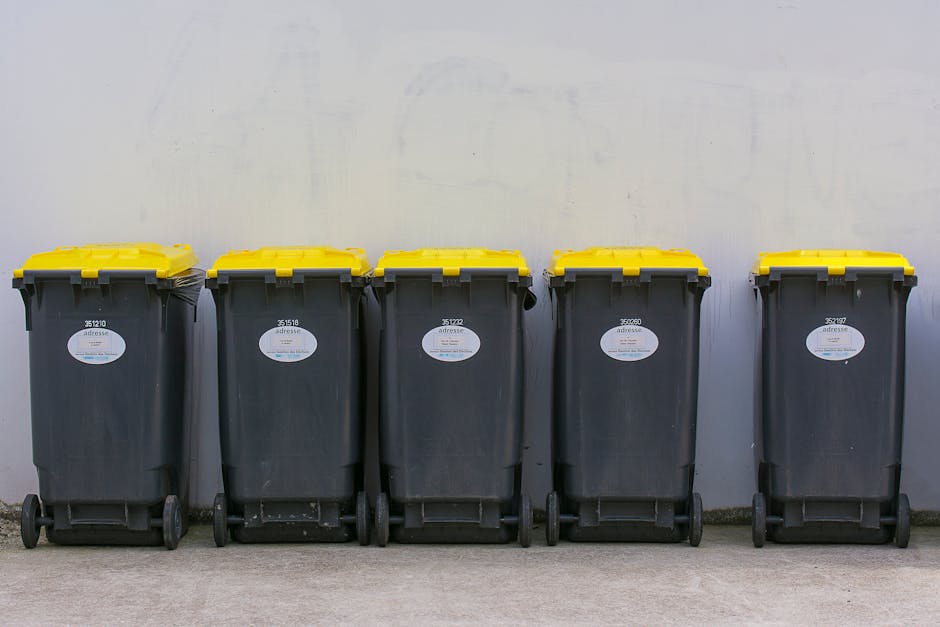
Ilford High Road rubbish collection guide for residents
If you live on or near Ilford High Road, rubbish collection can feel straightforward one week and oddly frustrating the next. A missed bin, bulky item left leaning against a wall, or a pile of renovation waste in the wrong place can quickly turn into an inconvenience for you and your neighbours. This Ilford High Road rubbish collection guide for residents breaks the process down in plain English: what usually counts as household waste, how collections typically work in a busy high street setting, what to do with awkward items, and how to avoid common mistakes that lead to delays or mess.
Whether you are clearing out a flat, dealing with garden waste after a weekend tidy-up, or trying to get rid of furniture without making a scene on the pavement, the aim here is simple: help you dispose of waste safely, efficiently, and without stress. Let's make it easier.
Why Ilford High Road rubbish collection guide for residents Matters
High streets create their own rubbish problems. There are tighter pavements, more foot traffic, shared access points, and a lot less room for error. On Ilford High Road, a single missed collection or an overfilled bag can block a walkway, attract pests, or become a nuisance before lunchtime. That is why a clear rubbish collection routine matters so much for residents.
This is especially true if you live in a flat, above a shop, in a converted terrace, or in a property with limited bin storage. You will often need to think one step ahead: where the waste will go, when it can be set out, and whether it needs special handling. That sounds basic, but in real life it is where most headaches start.
In our experience, people rarely struggle because they do not care. It is usually because the waste builds up gradually. A sofa from the old spare room. Some broken shelves. A half-full builders' sack from a weekend project. Then suddenly the hall, cupboard, or back yard looks like a mini depot. Not ideal.
Getting the basics right protects your home, your neighbours, and your time. It also helps you make better decisions when ordinary bin collection is not enough and you need broader support such as professional waste removal or even a larger house clearance if the volume has got out of hand.
How Ilford High Road rubbish collection guide for residents Works
At a practical level, rubbish collection for residents usually falls into a few broad categories: everyday household bins, recycling, bulky items, and specialist waste. The exact setup may vary depending on your property type and the local collection arrangements, but the logic stays the same.
For standard waste, you separate items into the right containers and present them on the correct day. For bulkier items, you normally need advance arrangements or an alternative disposal route. For waste from works, such as plasterboard, broken tiles, old kitchen units, or excess timber, you should not assume it can go in normal household collections. That is where builder-focused services such as builders waste clearance become relevant.
There is also the logistical side. Ilford High Road is busy, and timing matters. If bins are left out too early, they can obstruct pedestrians. If they are placed badly, they may get missed or moved. If waste is bagged poorly, wind and rain can turn a tidy plan into a soggy mess by morning. A bit of care goes a long way.
For residents in smaller homes or flats, the collection process can also overlap with space management. You may need to clear a hallway, loft, or storage cupboard before rubbish can even be moved outside. That is why services like flat clearance and loft clearance often become part of the overall solution rather than separate jobs.
Key Benefits and Practical Advantages
Good rubbish collection habits do more than keep the place looking neat. They make day-to-day living easier, and that matters more than people expect.
- Less clutter: rubbish does not quietly colonise your spare room, hallway, or balcony.
- Better hygiene: fewer smells, fewer pests, and less chance of damp or spills lingering.
- Safer access: clear paths reduce trip hazards, especially in shared entrances or narrow stairwells.
- Less stress: you know what goes where, so collection day is not a scramble.
- Smarter disposal: reusable or recyclable items can be separated before they become mixed waste.
- More control over costs: sorting waste early often avoids avoidable charges or repeat trips.
There is also a quieter benefit: peace of mind. Truth be told, many residents only feel the strain once waste starts affecting the look and feel of their home. The smell of damp cardboard in a hallway, the sound of bags rustling in a breeze, the awkward sight of a broken chair by the door - it all adds up. Sorting it out properly makes home feel like home again.
If you are clearing furniture, for example, the difference between dumping it with ordinary rubbish and using a dedicated route such as furniture disposal can be significant in terms of speed, handling, and convenience.
Who This Is For and When It Makes Sense
This guide is for residents who need more than the obvious advice on putting a bin out on the right day. If any of the following sounds familiar, you are in the right place.
- You live on Ilford High Road or nearby and have limited storage for waste.
- You are moving out and need to deal with mixed household items quickly.
- You have accumulated bulky furniture, broken appliances, or unwanted clutter.
- You manage a rented flat and need a tidy handover between tenancies.
- You have done a DIY project and are left with awkward debris.
- You are clearing a garage, garden, or storage area and do not want repeated trips to the tip.
It also makes sense if you simply want a cleaner, calmer setup. That may sound a bit obvious, but a lot of waste problems are not about "disposal" alone. They are about time, access, and not wanting a large pile of junk hanging around for days. We have all seen that one corner of a room that becomes a permanent waiting area for things "to deal with later".
For larger property resets, services like home clearance or garage clearance can be more practical than trying to piece everything together through ordinary bins and ad hoc trips.
Step-by-Step Guidance
If you want rubbish collection to run smoothly, do it in stages. A methodical approach saves time and stops little issues turning into bigger ones.
- Sort the waste by type. Separate everyday rubbish, recycling, furniture, electrical items, garden waste, and construction debris. Mixed waste is harder to manage.
- Check what is reusable. Some items can be donated, repurposed, or stored for later. A scratched table may still be useful somewhere else. Not everything broken is finished.
- Bag or box items properly. Use strong bags or secure boxes so waste does not spill on the way out. Wet cardboard and loose packaging are a nuisance in shared spaces.
- Measure bulky pieces. If a sofa, wardrobe, or mattress needs moving through a stairwell or narrow entrance, check access before you commit to a collection plan.
- Choose the right route for disposal. Standard household waste is one thing; larger, heavier, or specialist items often need another approach. For office contents, the most sensible route may be office clearance rather than piecemeal disposal.
- Set out waste at the right time. Do not block the pavement earlier than necessary. In busy areas, timing is part of being a good neighbour.
- Keep a final walk-through. Check the hallway, under stairs, loft corners, and behind doors. Odd little items have a habit of hiding until the last minute.
A practical tip: if you are handling a mixed load, tackle the easy decisions first. Paper, bottles, boxes, and general rubbish are simple. Then move to furniture, awkward items, and anything that requires special handling. That sequence helps stop decision fatigue setting in halfway through. Annoying, yes, but very real.
Expert Tips for Better Results
Small choices make a big difference. Here are the habits that usually separate a smooth clearance from a frustrating one.
- Work from the biggest items down. Once bulky objects are gone, the rest of the space is easier to sort.
- Use a "keep, donate, dispose" rule. Three piles. Simple, but effective.
- Avoid overfilling bags. Heavy bags split at exactly the wrong moment. They always do.
- Protect shared areas. If you live in a flat, use coverings or lift carefully through communal spaces.
- Plan around weather. Rain turns cardboard, paper, and soft packaging into a real faff.
- Ask about recycling early. If your waste includes wood, metal, textiles, or clean cardboard, separate it before it becomes mixed.
One of the most useful mindset shifts is this: do not wait until the room is full before acting. A few items dealt with each week is easier than one huge all-at-once clear-out. Let's face it, nobody enjoys spending an entire Saturday wrestling with old furniture and mystery bags.
If you want to understand how responsible disposal fits into wider sustainability goals, it is worth reading about recycling and sustainability. That kind of approach can make your disposal choices feel more intentional, not just rushed.
Common Mistakes to Avoid
Most rubbish collection problems are preventable. The same few mistakes crop up again and again.
- Mixing everything together. It saves time in the moment, but makes disposal harder later.
- Leaving waste in shared areas too long. This can block access and create tension with neighbours.
- Assuming bulky items can go out like regular rubbish. Often they cannot, and that assumption causes delays.
- Ignoring access issues. A large item may fit in your home but not through the stairwell or doorway.
- Forgetting about safety. Broken glass, nails, sharp edges, and heavy lifting can all cause injury.
- Waiting too long to book help. If you need support, leave enough time for it. Last-minute sorting is rarely elegant.
Another common one: using a good plan but forgetting the smaller items. Batteries, cables, old tools, and small fittings often end up in a drawer because they do not feel urgent. Then the drawer becomes a time capsule. One of those little annoyances of modern life.
For residents dealing with lots of one-off items, a structured service such as furniture clearance can sometimes be the cleaner option than trying to make individual arrangements for each piece.
Tools, Resources and Recommendations
You do not need a van full of kit to manage rubbish well, but a few basics make the process smoother.
- Strong refuse sacks: useful for general waste and lighter mixed items.
- Sturdy boxes: better for books, cables, crockery, and breakables.
- Gloves: useful when sorting lofts, garages, or outdoor waste.
- Tape and labels: helps identify what is for recycling, donation, or disposal.
- Measuring tape: especially helpful for sofas, wardrobes, and larger furniture.
- Protective coverings: sensible for shared hallways or delicate flooring.
In a practical sense, the best resource is often a clear plan and the right service for the job. If you are dealing with property contents rather than loose household rubbish, services like house clearance and home clearance can save time because they are designed for larger, mixed loads.
If your waste is mostly outdoor cuttings, hedge trimmings, or soil-related debris, garden clearance is the more appropriate route. If it is packaging, rubble, or leftover materials from a home improvement project, builders waste clearance usually fits better.
Law, Compliance, Standards, or Best Practice
Waste disposal in the UK is not just a matter of convenience. You are expected to dispose of waste responsibly, and you should not leave rubbish in a way that causes nuisance, obstruction, or unsafe conditions. That is the broad principle most residents need to keep in mind.
For everyday household waste, following the collection rules and using the correct containers is normally enough. For anything beyond that, best practice is to keep waste separated, avoid fly-tipping, and use a legitimate disposal route. If you hire someone to remove rubbish, you should be confident that the service is handling waste properly and not simply shifting the problem somewhere else.
Safety matters too. Heavy lifting, sharp objects, unstable piles, damp waste, and contaminated items all create risks. If a collection involves stairs, tight hallways, or awkward furniture, careful handling becomes more than a nice extra. It is essential, really.
When you are comparing providers, it is sensible to ask about insurance, handling standards, and how waste is processed. Pages such as insurance and safety, health and safety policy, and terms and conditions can help you understand the kind of standards a service says it follows. If you are curious about the company itself, about us is also worth a look.
Options, Methods, or Comparison Table
Residents on Ilford High Road usually choose between a few practical disposal routes. The best option depends on volume, item type, access, and how quickly you need the space cleared.
| Method | Best for | Advantages | Limitations |
|---|---|---|---|
| Household bin collection | Daily rubbish and small recyclable items | Simple, familiar, low effort | Not suitable for bulky items or large quantities |
| Self-haul disposal | People with transport and time | Direct control, useful for smaller loads | Time-consuming, lifting and transport can be awkward |
| Specialist waste removal | Mixed waste, bulky items, or busy homes | Convenient, faster, less strain on you | Needs planning and clear communication |
| Room or property clearance | Large declutters, moves, or end-of-tenancy jobs | Efficient for bigger volumes and mixed contents | More involved, usually best arranged in advance |
In a lot of real-life situations, the decision comes down to energy as much as cost. Yes, you could make six trips and sort everything yourself. But if you are juggling work, family, or a narrow stairwell full of old stuff, the better option may be the one that gets it done cleanly the first time.
Case Study or Real-World Example
Picture a resident in a top-floor flat just off Ilford High Road. Over a few months, they have accumulated a broken bookcase, an old mattress, cardboard from a delivery spree, and a bag of mixed household clutter that never quite made it to the bin. Nothing dramatic, just enough to make the hallway feel crowded.
They start by sorting the easy items first: cardboard, soft packaging, and general waste. Then they look at the larger pieces and realise the bookcase is too awkward to break down safely on their own. The mattress is also not something they want to leave waiting in the communal entrance. A practical solution is to separate the waste, clear a space, and arrange a suitable collection route rather than trying to push everything into one ordinary bin cycle.
What changed? Not the amount of waste, really. The difference was the sequence. Once they dealt with the big objects, the rest felt manageable. The flat looked lighter, the hallway stopped feeling cluttered, and there was no lingering pile to "sort out next weekend". Simple, but effective.
That same approach works for garden jobs, office equipment, and property clear-outs too. The order matters.
Practical Checklist
Use this checklist before collection day or before arranging a larger waste removal.
- Sort rubbish into clear groups: general waste, recycling, bulky items, and special waste.
- Check whether anything can be reused, donated, or stored.
- Make sure bags and boxes are strong enough to carry safely.
- Measure large items and note any tight access points.
- Keep walkways, communal halls, and exits clear.
- Separate garden, builders', and furniture waste where possible.
- Remove sharp, loose, or hazardous items from mixed piles.
- Confirm timings so waste is not left out for too long.
- Have gloves, tape, and labels ready if sorting at home.
- Take one final look around rooms, cupboards, lofts, and under sinks.
If you are dealing with a very full property or a small commercial space at home, you may also want to consider business waste removal or a more comprehensive clear-out route. Different jobs need different tools. That part is easy to overlook.
Get a free quote today and see how much you can save.
Conclusion
Rubbish collection on and around Ilford High Road is easiest when you treat it as a small system rather than a last-minute chore. Sort early, keep waste separated, respect access and timing, and choose the right disposal route for the job. That alone solves a lot of avoidable mess.
For residents, the real win is not just a cleaner bin area. It is the feeling that your space is under control again. No clutter in the corner, no awkward bags in the hallway, no wondering what to do with that one bulky item. Just a sensible plan that fits real life.
If you need support with a larger clear-out, a carefully handled disposal job, or a more structured approach to mixed waste, the right service can make the whole process much less of a headache. And honestly, that is worth a lot on a busy London street.
Keep it simple, keep it safe, and take it one step at a time.
Frequently Asked Questions
What counts as rubbish collection for residents on Ilford High Road?
It usually includes everyday household waste, recycling, and in some cases larger items that need a separate collection method. If you have bulky furniture, renovation waste, or a full property to clear, you may need a more suitable disposal route than standard bins.
Can I put old furniture out with normal rubbish?
Usually no, not as standard household waste. Sofas, mattresses, wardrobes, and similar items often need a specialist collection or a dedicated clearance service. Leaving them out without planning can create access problems and may be missed altogether.
What should I do with builders' waste from a home project?
Keep it separate from normal rubbish and avoid mixing it with food waste or recycling. Bricks, plasterboard, timber offcuts, and broken tiles are best handled through a builders waste clearance route rather than ordinary collection.
How can I avoid rubbish building up in a flat?
Sort items regularly, keep a small storage system for recycling, and clear bulky items before they become a hallway problem. In flats, timing and storage matter more than people think. A weekly mini-sort is often much easier than one huge tidy-up.
Is there a difference between waste removal and house clearance?
Yes. Waste removal is usually a broader term for collecting and disposing of unwanted items, while house clearance refers to clearing most or all contents from a property. If you are tackling a full home reset, house clearance is often the better fit.
What is the safest way to move bulky rubbish in a shared building?
Plan the route first, check door widths and stair turns, protect surfaces where needed, and avoid carrying items that are too heavy or unstable. If the item is awkward or risky, professional help is the safer choice. Simple as that.
Can garden waste go with general household rubbish?
It is better to keep it separate. Grass cuttings, hedge trimmings, and branches are usually handled more efficiently through garden clearance or another appropriate green-waste route, especially if the volume is more than a small bag or two.
How do I know if my waste needs a specialist service?
If it is bulky, heavy, mixed, sharp, dusty, or hard to carry, specialist help is probably worth considering. The same applies if you have a lot of items, limited access, or very little time. If in doubt, it is usually safer to ask than guess.
What should I ask before booking a rubbish removal service?
Ask what types of waste they handle, how access is managed, what happens to the waste afterwards, and whether they have clear terms and safety standards. It is also wise to check their payment and security information if you are booking online.
Can I mix reusable items with rubbish?
You can, but it is not the best idea. Keeping reusable items separate may allow them to be passed on, stored, or handled more responsibly. Mixing everything together makes the job harder and can waste useful items that still have life in them.
What if I need to clear a whole property quickly?
If time is tight, a structured clearance service is usually the most practical option. For a full home, flat, loft, or garage, services like flat clearance, loft clearance, or garage clearance can make the process faster and far less chaotic.
Why does recycling matter so much on a busy high road?
Because space is tight and waste visibility is high. Good sorting reduces clutter, keeps shared spaces cleaner, and makes disposal easier for everyone nearby. On a street like Ilford High Road, that small bit of care really does show.
How can I get help if I am not sure what service I need?
Start with a simple description of the items, the volume, and the access situation. If you need clarification or a tailored suggestion, the easiest next step is to use the site's contact page and explain what you are dealing with in plain terms.